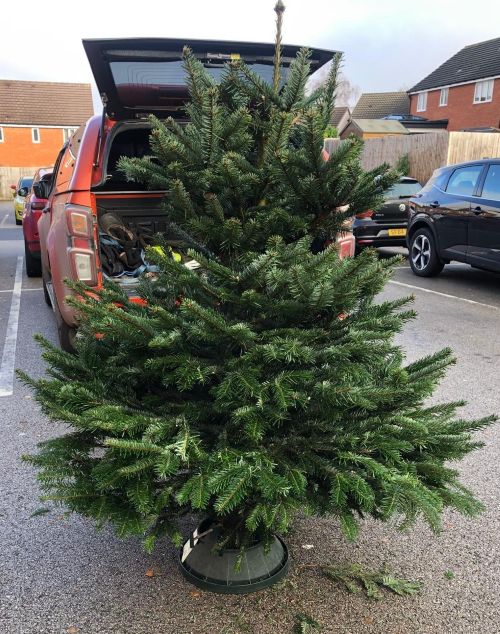
Giving Your Christmas Tree A Second Life: A Guide To Recycling In The New Year
The twinkling lights have all been packed away, the decorations are back in storage, and your once-glorious Christmas tree is starting to shed needles. Before you simply throw it in the bin, consider this: your Spruce or Nordmann Fir Christmas tree doesn't have to end up in a landfill. With a little effort, you can give it a meaningful second life that benefits your garden, local wildlife, and the environment.
Why Recycle Your Christmas Tree?
Real Christmas trees are completely biodegradable and can be transformed into valuable resources. When sent to landfill, they take up unnecessary space and decompose without purpose. However, when properly recycled, they can become mulch, compost, wildlife habitats, and even help prevent soil erosion. It's an easy way to extend the Christmas spirit of giving into the new year.
Convenient Collection Services
If you purchased your tree from Chesterfield Christmas Trees, you're in luck, they offer a collection and recycling option in the New Year. This convenient service takes the hassle out of disposal, ensuring your tree is properly recycled while saving you the trip to a recycling centre. It's just one more way that choosing a responsible retailer can make sustainable choices easier.
Local Recycling Programs
Many councils offer Christmas tree recycling programs in January. Check with your local council to find out about drop-off locations or tree recycling collection dates. These programs typically chip the trees into mulch which is then used in public parks, gardens, and landscaping projects.
Before arranging for a collection, or dropping off your tree, remember to remove all decorations, tinsel, lights, and the tree stand. Most programs only accept bare trees, and any remaining decorations can damage chipping equipment.
Environment Agency (EA) – Natural Flood Management (NFM) Programme
There are currently 38 projects running nationally, under the NFM scheme, some of these have been using our recycled Christmas trees to assist in river bank management. The trees are used to slow the river flow, prevent excessive erosion, improve habitat and bio-diversity and minimise issues caused by flash flooding. It could be worth a look on the EA website to see what is happening in your area.
DIY Garden Solutions
If you have a garden, your Christmas tree is a goldmine of possibilities. Here are some creative ways to recycle it yourself:
Mulch and Compost: Strip the branches and run them through a wood chipper to create fresh mulch for your garden beds. The needles are particularly beneficial for acid-loving plants like azaleas, rhododendrons, and blueberries. You can also add small branches to your compost pile, though pine needles decompose slowly, so use them sparingly.
Wildlife Habitat: Place the tree in your garden to create a temporary shelter for birds during the cold winter months. Birds will appreciate the protection from wind and predators. You can even hang bird feeders or suet from the branches to attract more of our feathered friends.
Garden Stakes: Cut sturdy branches into stakes for supporting plants like tomatoes, beans, and peas when spring arrives. They're free, natural-looking, and completely biodegradable.
Pathway Edging: Larger branches can be cut and used to edge garden paths or create rustic borders for flower beds.
Water Features and Erosion Control
If you have a pond or live near a lake, submerging your Christmas tree (with permission from local authorities) can create an excellent fish habitat. The branches provide shelter and attract small organisms that fish feed on.
For those with erosion-prone areas in their garden, placing trees along slopes or near water can help stabilise soil until the spring vegetation takes root.
Community and Wildlife Centres
Some wildlife rehabilitation centres and zoos accept Christmas tree donations. The trees provide enrichment for animals, who enjoy the novel scent and texture. Goats, elephants, and other animals often nibble on the branches as a healthy treat. Call ahead to see if your local facilities are accepting donations.
What To Avoid
Never burn your Christmas tree in a fireplace or wood stove. The high resin content in evergreens creates a dangerous creosote build up in chimneys and can cause chimney fires. The trees also burn extremely hot and fast, creating a fire hazard.
Avoid placing treated or flocked trees in your garden or compost, as the chemicals can harm plants and soil organisms.
The Bottom Line
Recycling your Christmas tree is a simple yet impactful way to start the new year with an environmentally conscious mindset. Whether you take advantage of convenient collection services like those offered by Chesterfield Christmas Trees, participate in a local council program, or find creative uses in your own garden, you're keeping organic material out of landfill and giving back to nature. Your tree spent weeks bringing joy to your home, now let it spend the rest of its days nourishing the earth.
This January, make tree recycling part of your post-Christmas routine. It's a small action that makes a real difference, proving that the spirit of giving can extend well beyond the holiday season.
The Biomass Option
Whilst this can be a bit of a hot topic (no pun intended) in certain areas biomass is a very credible energy source.
It does utilise our renewable and easily accessible resources and lessen our reliance on fossil fuels (those created hundreds of thousands of years ago – and releasing the carbon capture from that era).
Today, with the current regulations and therefore “equipment-technology” it means the biomass systems are highly efficient and have emission and capture systems as part of that design. In our rural communities centred on farming and land industries these are an essential and cost effective way to keep over heads down, beat the cost of living demands of our fossil fuel economy and create energy and job security.
